-
Past ETC Papers
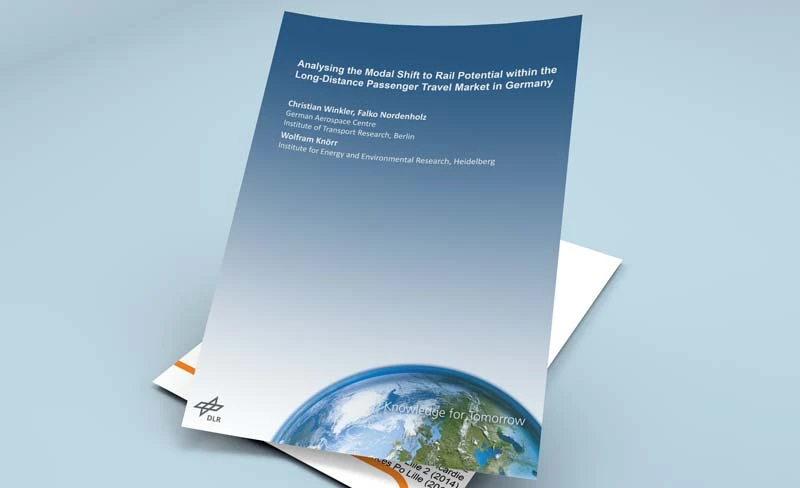
Browse, search and view papers from the past AET Conferences.
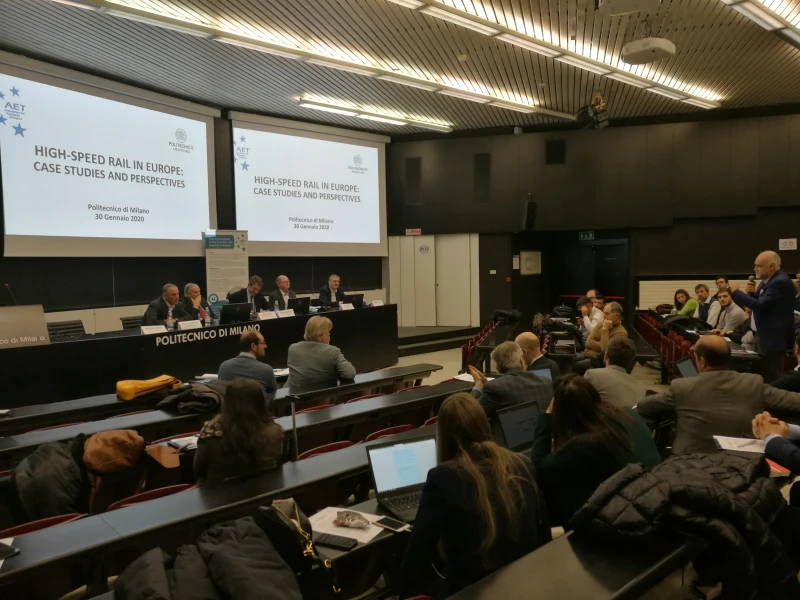
-
Members' Area
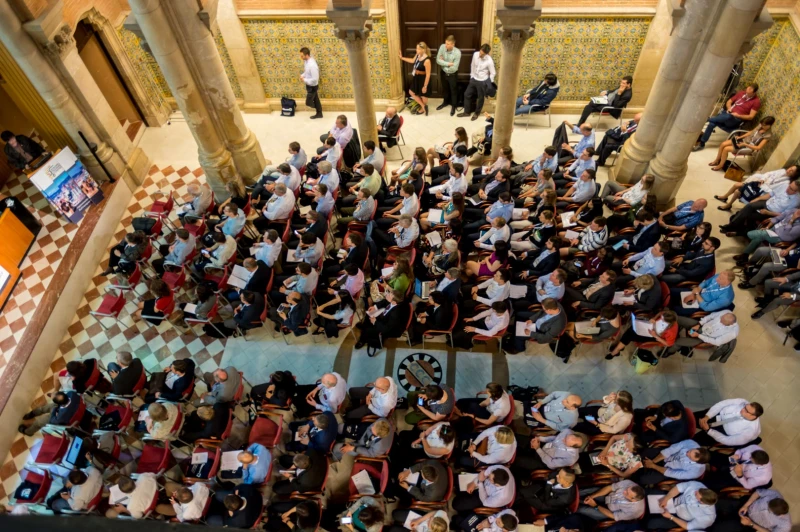
AET promotes networking and exchange of ideas, information and opportunities amongst members.


Chair: Ben Condry, Imperial College London, UK
Mission Statement:
The Rail Policy and Planning Programme Committee encourages debate on the planning, operation and economics of heavy rail passenger transport overall and related to numerous challenges, e. g. digitalisation, circular economy, low carbon, security issues.
ETC 2026 - RPP Call for Papers
The RPP stream encourages debate on policy, planning, operation, management and economics of railways around Europe and beyond. The main focus is on heavy rail passenger networks and services as well as the wider context in which these operate.
Railways operate within an environment where there are often strong (and sometimes conflicting) expectations from governments, the public and other stakeholders on how they should contribute to societal, economic and sustainability objectives while providing a high-quality service to meet rising expectations from passengers and encourage use. Liberalisation of the market for rail under EU policy has increased the number of providers in many countries, but the degree of reform varies, and in Great Britain is now being reversed. All this is happening within an environment of technological change, where climate change is affecting infrastructure and there is an increasing need to fund rail’s climate transition, while at the same time government expenditure is often under increasing pressure.
The Programme Committee therefore invites you to submit abstracts of relevance to the following themes but will also consider abstracts on topics of your choice and of relevance to your current work which are expected to be of interest to an international audience.
- Understanding the market for rail and forecasting demand
- Customer needs and expectations and how to meet them
- Ensuring rail is accessible, inclusive and attractive for all
- Designing stations and trains to meet customer needs
- Fare structures and products encouraging demand while meeting financial and funding needs Integration with other modes
- Encouraging mode shift to rail
- The role and objectives of railways
- EU policy and market liberalisation
- Rail industry structure and reform
- The role of open access and competition within the market
- Understanding and increasing efficiency
- Innovative funding mechanisms and the role of the private sector
- Understanding the effects of climate changes on railways and increasing resilience
- Policy frameworks, strategies and funding for decarbonisation
- Dealing with the effects of aging infrastructure
- Managing organisational change
- Adopting and adapting to technological change
- Use of AI and other digital technologies to improve railways
- Understanding the demand for cross-border rail and the different market segments
- Changing international railway services and patterns
- Increasing cross border long distance services
- Commuting across borders
- Barriers to cross-border rail and how to overcome them
- Interoperability and data integration across operators and modes
- Cross-border rail projects - coordination, governance, and standardisation
The committee encourages debate on rail policy and planning through interesting research results and examples of good practice. This debate can be nourished by papers on finished work as well as work in progress, as there are things to learn in every phase of a project.
We aim to be a forum for professional dialogue. We are happy to offer delegates the opportunity to introduce a specific question, problem or dilemma, on which the speaker and the audience can then reflect together. We are also open to proposals for special sessions. Please indicate in your abstract if you would like to opt for one of these formats or contact the committee chair to discuss.
For all types of papers, the committee emphasises the added value of drawing out the policy relevance.
Important notice:
Each year we receive more abstracts than can be accommodated in the programme. If your abstract is selected, please be aware that others have been rejected, that the ETC organisation has invested time in devising an attractive and coherent programme and that delegates use this programme to decide to come to the conference.
Before submitting your abstract, please make sure at least one of the authors can attend the conference to present the paper or poster, that finances are available for conference fee, travel and accommodation costs and that you have received / will obtain the approval needed (from management or client) to present the work in public at the time of the conference. If your paper is accepted, you will be required to book and pay for the conference by the end of June.
We do understand that sometimes circumstances can force authors to withdraw. If so, you would help us by informing us as soon as possible. Last minute withdrawals or no-shows negatively affect the conference experience of your fellow transport professionals.
Conference Supporters & Endorsers


